Your Tiny Space, Big Weekend Studio

We’re exploring setting up a home micro-studio for weekend projects, so your creativity never waits for perfect conditions or extra square footage. Expect hands-on tips, honest anecdotes, and practical checklists that make filming, crafting, or photographing smoother, faster, and more fun. Share your setup ideas in the comments, ask questions, and subscribe for weekly tweaks tailored to tight schedules, limited budgets, and that magical window of Saturday and Sunday momentum.

Choosing and Shaping Your Corner of Creativity

Even a spare meter beside a bookshelf can transform into a dependable micro-studio when you map traffic flow, light sources, noise leaks, and power access. We’ll tame clutter, define zones, and create a repeatable setup you can roll out in minutes. Expect clever folding furniture, stackable bins, and a layout that respects neighbors, roommates, and pets. Share which corner you’re considering, and we’ll suggest quick wins to make it studio-ready by this weekend.

01

The Five-Step Space Audit

Walk your space at different times of day, note sunlight angles, outlet locations, ambient hums, and floor stability. Tape a rectangle on the floor and test tripod placement, chair movement, and cable reach. Photograph before and after to document improvements. A reader once discovered a buzzing fish tank that ruined takes—moving it one meter solved the issue. Drop your audit notes below, and let others crowdsource fixes you might miss.

02

Zoning Without Walls

Create invisible boundaries using rugs, painter’s tape, and rolling carts. A foldable table becomes a production desk, while a collapsible backdrop frame separates storage from shooting. Vertical shelves keep tools reachable yet off-camera. Define clear zones for capture, assembly, and cleanup to avoid mixing messy glue with delicate lenses. Readers who tried this report faster teardown times and fewer misplaced accessories. Share a photo of your zones to inspire practical layout ideas.

03

Safety, Ventilation, and Neighbors

Good studios stay friendly to lungs, ears, and relationships. Position fans to cross-ventilate when painting or soldering, and consider a small carbon filter if fumes sneak in. Door sweeps mute hallway noise, while cushioned chair feet keep downstairs neighbors calm. Avoid daisy-chained power strips and route cables away from walking paths. Provide a simple schedule on your door to prevent interruptions. Tell us your constraints, and we’ll suggest quiet, safe adjustments.

Light That Works Every Weekend
Sun, Curtains, and Reflectors
Treat windows as a giant free softbox by diffusing with sheer curtains or a translucent shower curtain. A simple foam board becomes a bounce to reduce shadows under hands during close-ups. When sunlight shifts, rotate your table instead of moving lights. One subscriber taped aluminum foil to cardboard and rescued a dim scene instantly. Post a snapshot of your window wall, and we’ll suggest reflector placement to maintain consistent glow throughout the day.

Budget-Friendly Three-Point Setup

Build a foundational arrangement using two small LED panels and one clamp light with a soft sock diffuser. Key light at forty-five degrees, fill light feathered, and a gentle hair or background light for separation. Label dimmer settings so Sunday matches Saturday. If space is tight, mount panels on light-duty microphone stands. Share your budget cap and room size, and we’ll map a starter kit that grows as your projects evolve.

Color Temperature and Consistency

Mixing warm lamps with cool daylight can turn skin tones odd and product colors untrustworthy. Lock color temperature by switching off rogue bulbs, using daylight-balanced LEDs, and setting white balance manually. Keep a gray card handy for quick calibration before each session. A reader’s craft paints finally photographed true after this fix. List your current bulbs and camera app, and we’ll advise a straightforward path to faithful, repeatable color in every shot.

Sound That Feels Close, Not Closed In

Great audio makes even simple visuals feel intentional. We’ll tame echo with textiles, hush appliances, and choose forgiving microphones for imperfect rooms. You’ll learn fast fixes for HVAC rumbles, neighbor noise, and harsh reflections off tile or glass. Save a preset recording checklist to repeat next weekend. Our community swears these changes boosted watch time and clarity instantly. Ask about your flooring and wall materials, and we’ll offer tailored, quick acoustic tweaks.

Cameras, Phones, and Angles That Tell the Story
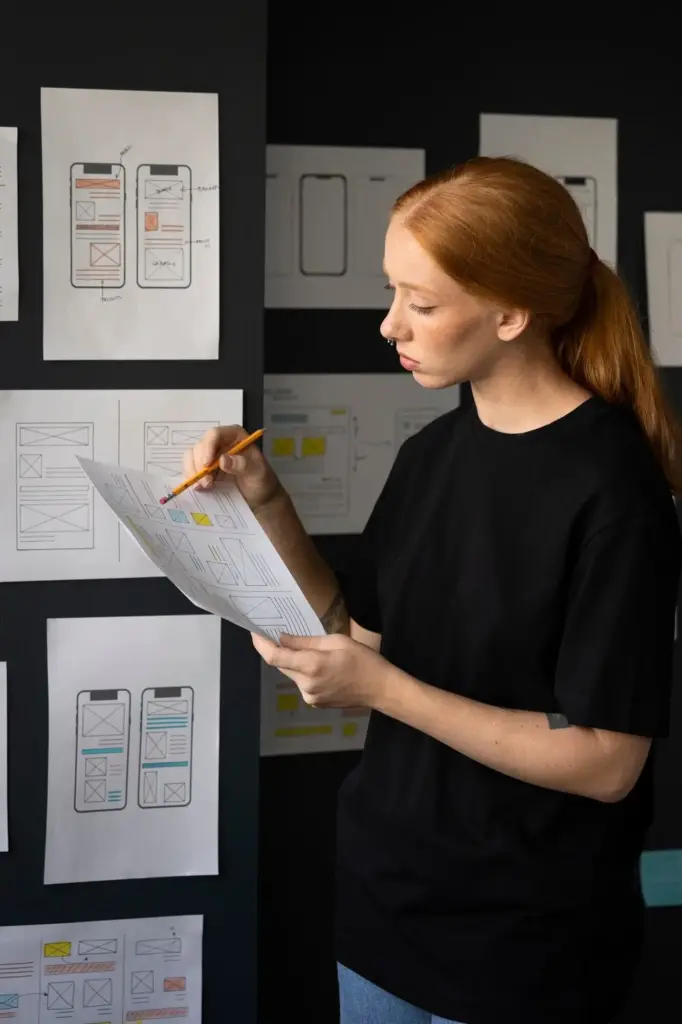
Whether you’re filming with a smartphone or a mirrorless camera, weekend success depends on repeatable settings and stable support. We’ll cover exposure lock, clean framing, and multi-angle tricks without multiple bodies. Expect guidance on overhead shots, macro details, and maintaining continuity across sessions. Readers report smoother edits with these habits. Tell us your device and height of your work surface, and we’ll recommend angles that flatter hands, tools, and finished pieces.

Backgrounds, Surfaces, and Props That Support the Story

Thoughtful backgrounds calm distractions and focus attention where it matters: your hands, materials, and results. We’ll create quick-swap backdrops, modular surfaces, and meaningful props that hint at process without stealing the show. Expect color palettes that flatter skin and products, plus textures that resist glare. These changes speed editing and make thumbnails irresistible. Tell us your craft’s dominant colors, and we’ll suggest combinations that photograph true and feel cohesive across multiple weekend sessions.

Quick-Swap Backdrops

Mount fabric or paper on a curtain rod with clips for instant changes. Label rolls by color temperature friendliness and cleaning instructions. Keep a neutral gray, a warm beige, and a tasteful color accent. Iron or steam before shooting to dodge retouching later. A reader uses foam boards with peelable vinyl for super-fast swaps. Share your storage constraints, and we’ll recommend a rotating kit that stores under a bed or inside a closet.

Tabletop Magic

Create a portable tabletop using a plywood panel wrapped in vinyl or contact paper. Use contrasting cutting mats for precision shots and a reclaimed wood plank for lifestyle scenes. Add small risers to separate objects from the background and reduce shadows. One maker’s jewelry sparkled after elevating pieces an inch. Describe your product size and glare issues, and we’ll propose surface mixes that turn quick weekend sessions into professional-looking photo and video sets.

Styling With Purpose

Select props that explain process or scale: a pencil, a ruler, or a jar of brushes. Keep colors harmonious and remove labels that distract. Place items in triangles for balance, leaving space for captions. Adjust one element at a time to see cause and effect. A knitter boosted saves by adding a measuring tape for context. Post a sample frame, and we’ll coach subtle adjustments that guide viewers’ eyes where you need them.

Workflow, Power, and Storage That Survive Monday
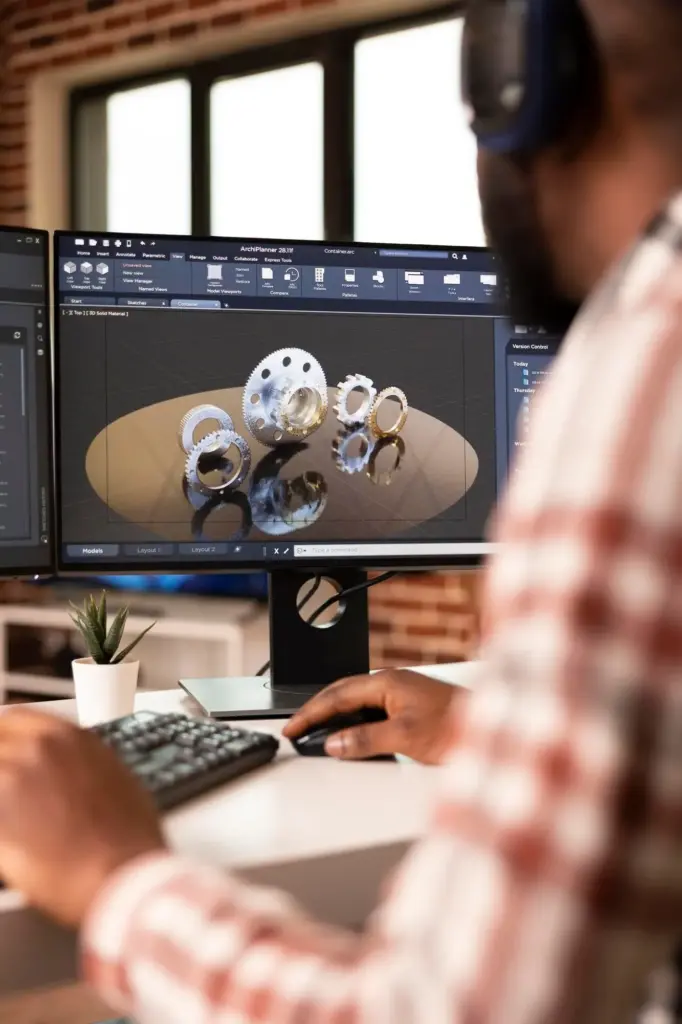
Weekend studios win when setup and teardown are fast and organized. We’ll build a rolling checklist, a labeled cable kit, and a charging station that guarantees fresh batteries every Saturday morning. Backups, file naming, and a simple folder structure keep editing calm. Cable paths reduce tripping and protect gear. Readers say these systems shrink stress and expand creativity. Share your pain points, and we’ll tailor a plan that actually sticks through busy weeks.

Weekend Sprints: Plan, Capture, Share, Repeat

Short timelines demand focused goals and smart batching. We’ll design a two-day plan that blocks time for setup, capture, cleanup, and editing sprints with intentional breaks. You’ll learn to script lightly, capture B-roll efficiently, and end with a thumbnail while everything’s still set. Our readers report more posts with less exhaustion. Share your available hours, and we’ll craft a realistic sprint template you can customize and refine each weekend.
Rikifupuximafinuke
Privacy Overview

This website uses cookies so that we can provide you with the best user experience possible. Cookie information is stored in your browser and performs functions such as recognising you when you return to our website and helping our team to understand which sections of the website you find most interesting and useful.